
Here’s the thing. I started tinkering with Solana wallets when gas fees were laughably low, and the UX felt like a breath of fresh air. My gut said this would change how I move money and NFTs around—fast, cheap, seamless. Initially I thought the browser extension model would be the clear winner, but then I watched a few odd transaction prompts and realized the nuance: convenience and security are often at odds. On one hand you get instant connectivity to dapps; on the other, a mis-click or a compromised site can cascade into real losses.
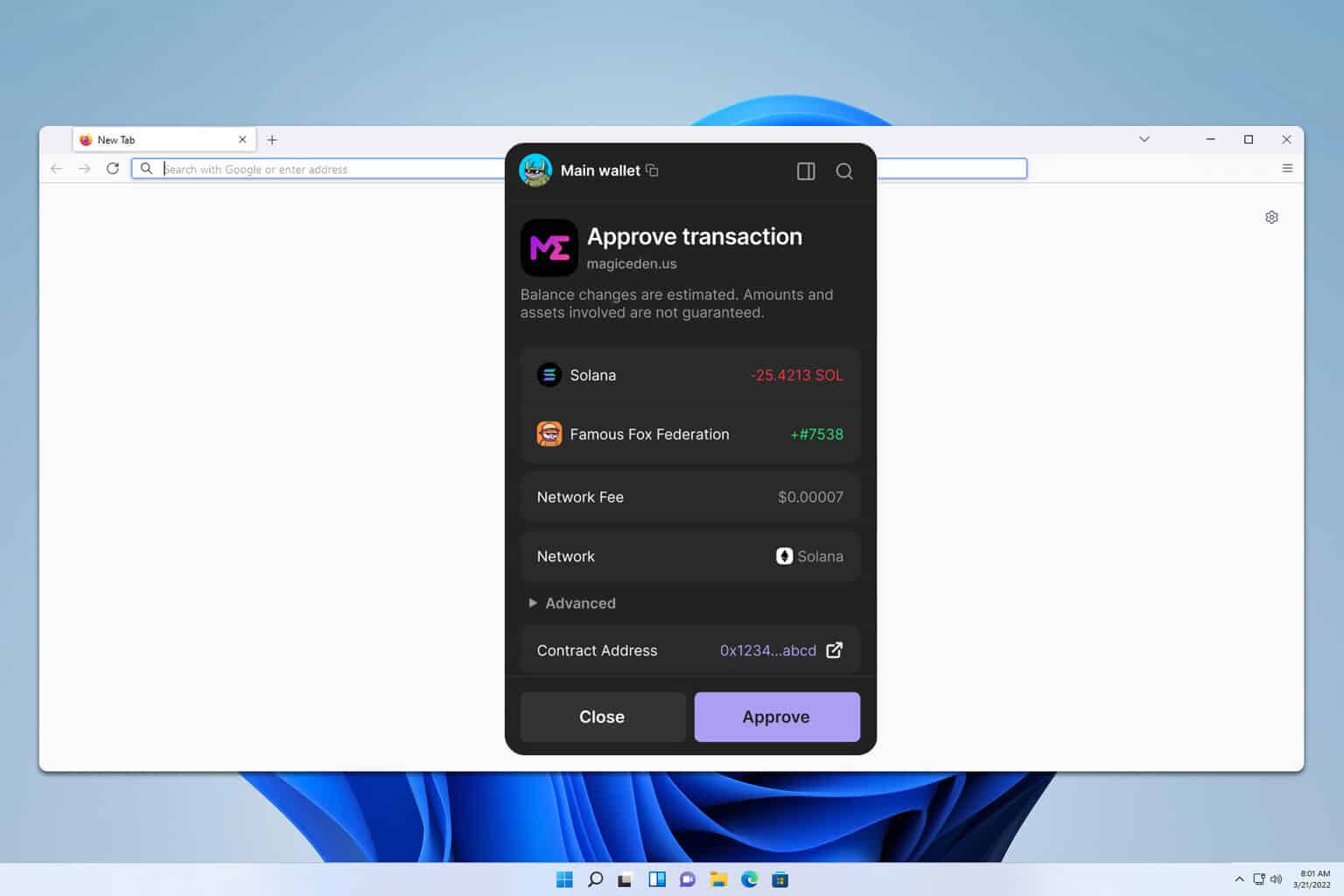
Whoa! Seriously? Yep. I remember one afternoon in a cafe (sipping a cold brew, West Coast vibes) when a suspicious signature request popped up and my instinct said: “Don’t approve that.” I paused, dug into the transaction details, and discovered the dapp was trying to bundle token approvals I hadn’t expected—very very sneaky. That episode taught me to treat browser wallet prompts like legal fine print: read it, or pay later. In practice, that means checking the program IDs, understanding what “Approve” really grants, and never blindly trusting the UI alone.
Hmm… this part bugs me. Browser extensions live in the same environment as your tabs, and malicious pages can attempt to phish or trick you with overlays or cloned interfaces. Actually, wait—let me rephrase that: extensions are isolated to an extent, but their convenience surface area is large, which increases risk. On one hand extensions are easier to back up and restore than some cold setups; though actually, if your seed phrase leaks (through clipboard, malware, or social engineering), the convenience becomes the vulnerability. My bias is toward pragmatic security: balance usability with strong hygiene, because most users won’t use a hardware wallet for every small trade.
How I Pick a Browser Wallet (and Why I Recommend This One)
Okay, so check this out—I’ve used a few, and my recommendation lands where security, developer support, and UX overlap (not purely on looks). If you’re trying to get started, consider a well-maintained extension that has an active codebase, frequent audits, sensible permissions UX, and community trust. For a straightforward installer and to see one of the more popular, actively developed options, try phantom wallet which balances ease-of-use with features that advanced users appreciate, like token management, dapp support, and Ledger integration. My instinct said “this one feels polished,” and after poking around, I found the dev cues I wanted—clear transaction details, a way to reject individual requests, and options for hardware signing when needed.
I’ll be honest: I’m biased toward wallets that let me add hardware authentication because it closes a lot of attack vectors. Something felt off when I saw wallets that pushed approvals without clear metadata; that bugs me. So my rule of thumb is simple—use a browser extension for day-to-day interactions, but enable hardware signing for big moves or keep large balances offline. That hybrid approach reduces friction while preserving stronger custody for serious funds, and it’s doable even if you’re not a full-time crypto nerd.
Here’s a bit of nuance most posts skip: UX choices matter for security because humans are the weakest link. People will click brightly colored “Approve” buttons, and dapps that intentionally obfuscate intent succeed at tricking them. On the flip side, good wallets design prompts that surface the meaningful details first, like program IDs, amount paths, and whether a token approval is unrestricted. Initially I thought this was purely technical, but then I realized it’s about psychology—how prompts are framed changes behavior, and wallets that accept that responsibility are better products.
On a practical level, here’s what I do every time: I verify the site domain, check the dapp’s GitHub or social proof if it’s new, validate the transaction programs when possible, and if anything smells like a grant of unlimited allowance I hit reject and investigate. I’m not 100% sure I’ve covered every edge case, but this routine has saved me from a couple of hairy mistakes. Also—small tip—don’t copy your seed phrase into cloud notes or email; if you must, treat it like a high-value physical object (lockbox, offline, the whole nine yards). Somethin’ as simple as that has stopped more headaches than you might think.
Common Questions
Is a browser wallet safe for NFTs and DeFi?
Short answer: yes, for routine interactions, but treat it like a digital hot wallet. For high-value NFTs or large DeFi positions, consider hardware-backed approvals or cold custody because browser extensions are optimized for convenience rather than absolute isolation.
What should I do if a transaction looks suspicious?
Pause. Seriously. Don’t approve. Check the contract address, search for the dapp and recent reports, and ask in community channels if unsure (Discord, Twitter threads, etc.). If you think you’ve already approved something problematic, act fast: revoke token approvals through on-chain tools, move unaffected funds to secure storage, and consider reaching out to community moderators for help—time matters.